TMJ & Jaw Pain Physiotherapy in Vancouver
Jaw pain can make meals, conversation and yawning uncomfortable. Cadence Physiotherapy & Rehab offers assessment for jaw-related movement concerns in Vancouver, with time to hear how symptoms affect your day and discuss appropriate next steps.
Book a physiotherapy assessment
TMJ and TMD: what is the difference?
The temporomandibular joints, or TMJs, connect the jaw to the skull. Temporomandibular disorders, or TMDs, affect these joints or the muscles used for chewing. Symptoms can include jaw pain, stiffness, restricted opening and painful clicking. Clicking without pain is common and usually does not need treatment.
Facial or jaw pain is not always TMD. A dentist or doctor may need to rule out dental or other medical causes. Seek urgent care for significant facial swelling, fever, an injury or inability to eat or drink. Jaw pain accompanied by chest pressure or breathlessness needs emergency care; call 911.
Your assessment at Cadence
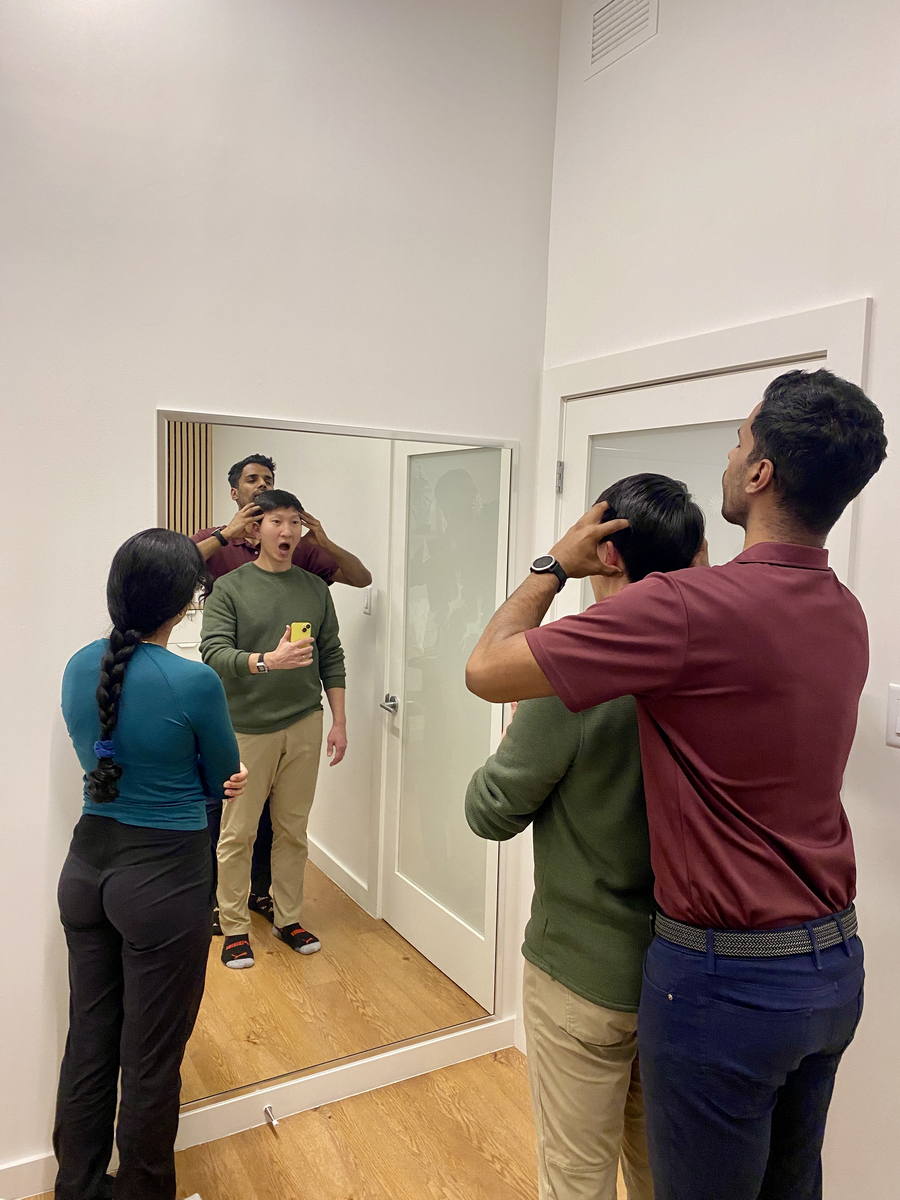
Your appointment starts with a conversation about chewing, opening your mouth, symptom changes and previous dental or medical care. Your physiotherapist can assess jaw movement and relevant neck function, explain the findings and discuss the limits of physiotherapy. Let us know about locking, recent procedures and any advice from your dentist.
A plan that fits your daily life
When appropriate, conservative care may include gentle movement exercises, hands-on treatment and guidance on habits such as clenching or gum chewing. We explain the purpose of each part of the plan and review how eating and everyday jaw movement are changing. Dental appliances and dental treatment decisions belong with your dentist.
Understand. Practise. Progress.
We explain what we find, agree on meaningful goals and review your response. Bring your questions, your previous treatment experience and the activities you want to get back to.
Frequently asked questions
Does a clicking jaw need correcting?
Painless clicking alone usually does not need treatment. Pain, locking or limited movement deserves assessment. The goal is comfortable function, rather than eliminating every sound.
Can physiotherapy replace a dental assessment?
No. Physiotherapy can address appropriate movement-related concerns, while dental or medical assessment may be needed to clarify other causes. Tell us what your dentist has found so care can be coordinated with your consent.
What should I bring to my first visit?
Wear clothing that allows comfortable movement. Bring relevant reports or instructions from other clinicians, along with your questions and insurance details if you would like help with direct billing. Coverage depends on your plan.
Book your Vancouver physiotherapy appointment
Find Cadence Physiotherapy & Rehab at 706–550 W Broadway, near Broadway & Cambie and Broadway–City Hall station. We welcome people from Fairview, Mount Pleasant, Cambie and surrounding Vancouver neighbourhoods.
Book online or call 604-738-4900. You can also contact the clinic if you are unsure which appointment to choose.
Explore our whole-body assessment approach or return to conditions we treat.
Further reading: NIDCR: Temporomandibular disorders. General information only; individual assessment guides diagnosis and treatment.