
Runner’s Knee & Patellofemoral Pain in Vancouver
Pain around or behind your kneecap can make running, stairs, squats and even sitting for a long time uncomfortable. One common cause is patellofemoral pain, often called runner’s knee. That name describes a symptom pattern, not a diagnosis that can be confirmed from the name alone. At Cadence Physiotherapy & Rehab near Broadway & Cambie, we assess your knee and the activities you want to get back to.
Get a plan for your knee: book a one-on-one physiotherapy assessment or call 604-738-4900.
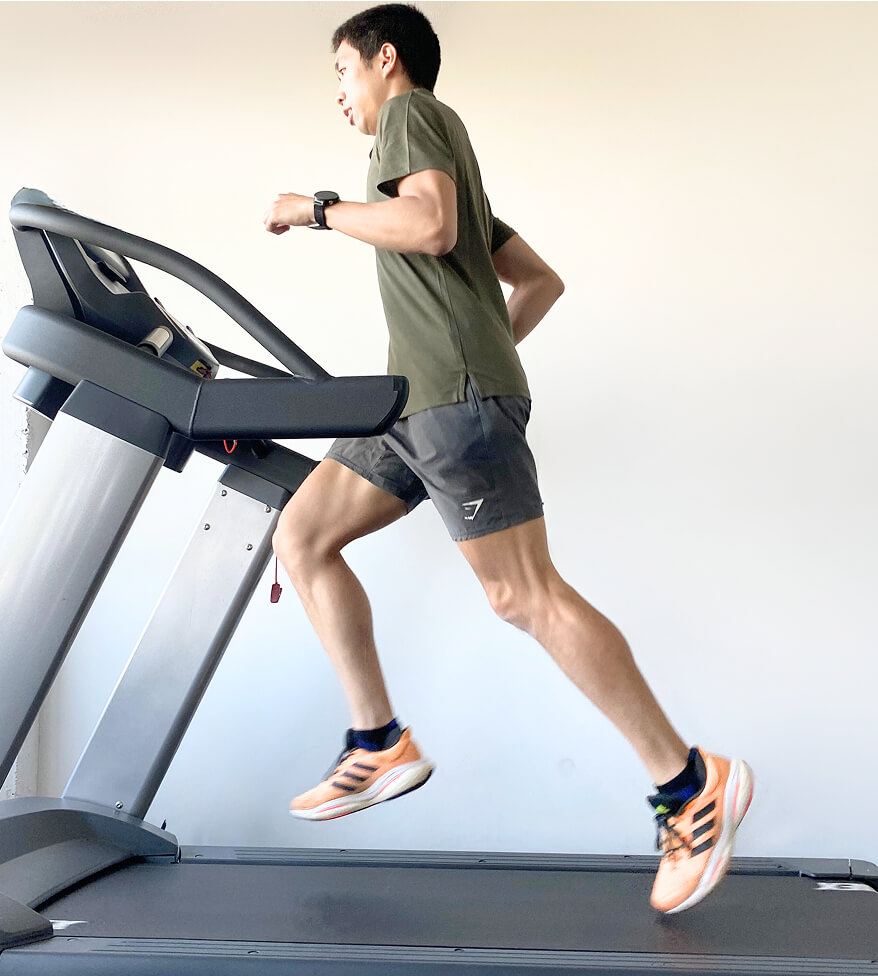
What is patellofemoral pain?
Patellofemoral pain is pain at the front of the knee, around or behind the kneecap. It may develop when the demands of activities such as running, hills, stairs or squats exceed what the knee currently tolerates. There is rarely one simple explanation. Training changes, strength, recovery and other factors can all matter. Other knee problems, including tendon, meniscus or ligament injuries, can produce different symptoms and need a different plan.
Common symptoms
- Aching around or behind the kneecap
- Pain with stairs, squatting, lunging or running
- Discomfort after sitting with the knee bent for a while
- Symptoms that increase after a jump in training volume or intensity
Tell your physiotherapist about swelling, locking, giving way, a fall or a distinct injury. Those details help guide the examination.
When to seek prompt medical assessment
Seek prompt medical attention after a significant injury if you cannot bear weight, the knee is markedly swollen or deformed, or you have fever with a hot, red joint. New inability to straighten the knee or a true locked knee also warrants assessment. These symptoms should not simply be treated as runner’s knee.
How physiotherapy can help
We start with your symptom history, recent activity changes and goals. Your physiotherapist examines the knee and relevant strength and movement, then explains what the findings suggest. The plan may include:
- Adjusting running or aggravating activities while maintaining suitable movement
- Progressive hip and knee strengthening matched to your capacity
- Practising stairs, squats or other movements that matter to you
- Reviewing training load, recovery and a gradual return to running
- Reassessing your response and changing the plan as needed
Exercise is a central part of care for patellofemoral pain. The right starting point and progression depend on your assessment; a painful knee does not need the same routine as every other runner’s knee.
A return-to-running path
Assess the knee and current load → build strength and tolerance → gradually restore running demands. Your symptoms and function guide each step.
Returning to running and sport
If you want to run, we can connect your rehabilitation with our running physiotherapy and gait analysis service when a review of running mechanics, strength or training progression would be useful. We can also help with a return to other sports through sports physiotherapy. The aim is to rebuild capacity for your activity, rather than relying only on the absence of pain at rest.
Runner’s knee FAQs
Do I have to stop running?
Not necessarily. Some people can continue with modified distance, pace or terrain while they build capacity; others need a temporary reduction. The decision depends on your symptoms and examination.
Do I need an MRI?
Imaging is not routinely needed for a typical patellofemoral pain presentation. If your history or examination suggests another problem, your clinician can discuss whether further investigation is appropriate.
How long will recovery take?
It varies with symptom duration, current capacity and activity goals. We track your response and progress the plan rather than promising a fixed timeline.
Book a knee assessment in Vancouver
Cadence Physiotherapy & Rehab is at 706–550 W Broadway, near Broadway & Cambie. Book an assessment or find directions and contact details.
Further reading: NHS University Hospitals of Liverpool: Patellofemoral pain; Dynamic Health NHS: Patellofemoral knee pain. This page is general information and does not replace an individual assessment.